The consultation on tackling fraud and financial abuse was released by the federal government on 14 October in response to the parliamentary joint committee on corporations and financial services inquiry into financial abuse, with one accountant stressing the importance of the frontline being considered.
Tax complaints almost triple in just two years by Shane Wright
Complaints to the tax office watchdog have soared by 74 per cent over the past year as ordinary workers and small businesses struggle with the ATO’s crackdown on outstanding tax bills and penalties.
Tax Ombudsman Ruth Owen, in a report released today, said there had been sharp increases in grievances from taxpayers over the financial hardship caused by the ATO’s calculation of debts and its actions to recover outstanding payments.
In the period between April and September, the ombudsman received 2376 complaints, compared to 1362 for the same period last year. The 2026 numbers were 180 per cent up 2024 levels.
In one case noted by Owen, a woman left with paraplegia after an accident was caught in a dispute with the ATO over an outstanding $160,000 tax debt. After an ombudsman investigation which found the tax office had failed to take into account the woman’s dire health and financial circumstances, the debt was waived.
According to Owen, it was clear many taxpayers were under pressure which was exacerbated by the tax office’s actions.
“We continue to see an unprecedented demand for our services. Our latest complaint data shows more people are struggling due to the ATO’s debt collection activity or interest charges,” she said.
“At a time when many Australians are facing financial distress, we are seeing increased complaints about how the ATO is collecting tax debt owed and how interest is applied to the debt, often making the amount due impossible to pay back.”
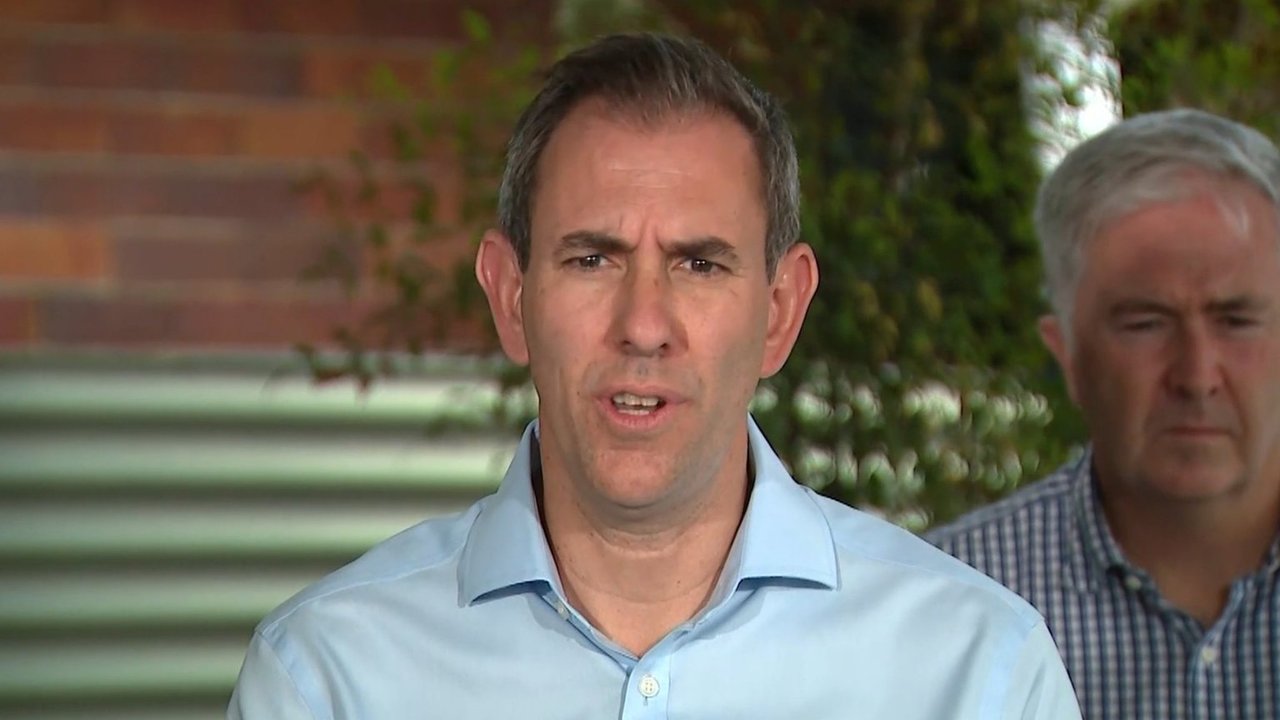
A ban on credit card use for tax bills has been delayed by the ATO after a small business revolt.
Of the issues raised with the ombudsman, debt collection and payments to taxpayers accounted for 19 per cent each. Another 18 per cent related to penalties including the interest penalties on outstanding tax.
Unpaid superannuation was one of the fastest growing areas of concern with an 8 per cent lift on 2025 levels. Super accounted for 56 per cent of all payment complaints, while another 37 per cent related to the status of tax refunds.
In a sign of the economic pressure on taxpayers, the number of complaints from people wanting to be released from a tax debt because of serious financial hardship climbed 5 per cent on last year.
There was also a sharp increase in the proportion of complaints about how tax debts had been calculated and in re-raising debts that had previously not been pursued by the ATO.
There was a 9 per cent drop in the number of complaints where the ombudsman confirmed the ATO’s actions were reasonable and a 6 percentage point lift in cases where concerns about the tax office’s communications had been raised.
More than 80 per cent of complaints came from individuals, which included people operating as a business. While 12 per cent of complaints were from organisations, small businesses accounted for 29 per cent of the ombudsman’s complex cases.
Last week, credit bureau CreditorWatch noted a surge in the number of businesses falling behind on their payments to the ATO.
Tax debt defaults reached more than 37,500 in September, a 20.7 per cent jump over the year.
Owen said the increase in complaints was being partly driven by the financial pressure on individuals and businesses.
“The concentration of complaints we’re seeing around tax debt, interest, missing superannuation and delayed refunds indicates people are doing it tough at the moment. But they’re still trying to do the right thing and engage with the tax system.”
Tax office complaints surge during crack down on debts

The number of Australians complaining about the tax office has surged as it ramps up debt collections at the same time as taxpayers struggle with rising cost pressures.
The Tax Ombudsman fielded 2376 complaints against the Australian Taxation Office in the six months to September, up 74 per cent from the same period in 2025 and 180 per cent above the same period two years ago.
Debt collection and payment-related matters each accounted for 19 per cent of complaint investigations from April to September, the agency said.
"Our latest complaint data shows more people are struggling due to the ATO's debt collection activity or interest charges or simply need to resolve delays to payments they are due,'' Tax Ombudsman Ruth Owen said.

"At a time when many Australians are facing financial distress, we are seeing increased complaints about how the ATO is collecting tax debt owed and how interest is applied to the debt, often making the amount due impossible to pay back."
In response, an ATO spokesperson said the tax office had only received 1358 complaints over the same period, as the ombudsman's figures included cases that were resolved without any ATO involvement or that related to the Tax Practitioners Board or state tax issues.
The ombudsman only investigated 501 complaints out of 2376 it received and found in most cases, the ATO had acted appropriately.
In 63 per cent of debt collection-related complaints, the agency found the ATO acted reasonably, down nine per cent from the same period last year.
Complaints about penalties and interest made up 18 per cent of grievances, up from 13 per cent a year ago.
Amid rising inflation and interest rates, tax liabilities were adding to mounting debts owed by taxpayers and small businesses, the ombudsman said.
Taxpayers also relied on tax refunds to maintain liquidity or pay other bills.
"This is likely to partially explain why we have seen an increase in complaints, alongside the fact that the ATO has had to ramp up its debt collection activity to reduce the size of its collectable debt book," the report said.
The ATO was owed $54.2 billion in outstanding tax debt in 2024/25, according to the Australian National Audit Office.

Debts owed by small businesses amounted to $35.9 billion, an increase of $19.4 billion from 2018/29.
Following a backlash to proposed tax hikes for discretionary trusts, the ATO's announcement that it would ban credit card payments has further dented relations between the government and the business community.
"When we get feedback from businesses around the country, I think they are feeling under pressure," Andrew McKellar, chief executive of the Australian Chamber of Commerce and Industry, told Politico's Canberra Playbook podcast.
"They're feeling that they're really struggling on a range of fronts, and they just see a range of decisions from government that feel disconnected from the objectives that they're trying to achieve."
Australian Associated Press


ATO complaints surge amid tax collection crackdown
More Coverage


1 in 5 borrowers use AI to fake mortgage documents
Bank statements, payslips manipulated to secure home loans…
Should the ATO share more data?
Soltani said the findings strengthened the case for secure data sharing between the Australian Taxation Office (ATO) and banks, provided borrowers gave their consent.
“That would let lenders verify declared income against an independent government source, rather than relying on a PDF that can be altered in seconds with AI,” said Soltani.
Zhong cautioned, however, that making access to tax information a condition of obtaining a mortgage would undermine the idea that data sharing was voluntary.
She also raised concerns about how the information might be used beyond income verification.
“The second [question] is scope creep: data collected to verify income shouldn’t be used for marketing, pricing or other purposes,” Zhong.
“The third is security, because any new pipeline for sensitive government data becomes a target.”
Zhong said a better approach would be a 'verify, don't share' model, in which lenders could confirm whether a borrower's declared income broadly matched ATO records without receiving their full tax information.
Banks uncover major mortgage fraud
The findings come amid growing concerns about mortgage fraud in Australia and the role AI is playing in making it easier to falsify financial documents.
In February, the Commonwealth Bank of Australia alerted authorities to a possible fraud racket that obtained approximately $1 billion in illegitimate home loans, including through the use of AI.
In August, Australia’s financial crimes watchdog AUSTRAC revealed that an analysis of data from 10 major Australian banks identified potentially hundreds of millions of dollars in suspected fraudulent loans, mostly linked to properties in Sydney.
AUSTRAC said the suspected mortgage fraud involved inflated incomes, misrepresented employment, and fabricated or unverifiable business activity used to support loan applications.
AUSTRAC chief executive Brendan Thomas said generative AI was now “widely used” to create or alter fraudulent documents, making them easier and potentially more convincing to produce.
“The banks see fraud regularly — the risk is not new, but advances in AI technology are making it easier to commit fraud at scale,” Thomas told Information Age.
“While AI may make it easier to generate false or misleading documentation, our focus remains on behaviours, risk indicators and vulnerabilities rather than the specific tools used to facilitate them.
“People applying for home loans must provide accurate and truthful information, whether they use AI or not.”

