"The truth doesn't drown in water and doesn't burn in fire."
"Get comfortable being uncomfortable."
Things Really Are Getting Worse at IRS Can We Still Govern?
From GST to trusts, reform is almost impossible in this fraught political climate
The Godfather of St. Petersburg
1 season German Explores Vladimir Putin's rise to power
1 season German 🇩🇪 Explores Vladimir Putin's rise to power in St Petersburg, one of the most dangerous cities in the 1990s, and how his network has allowed him to stay in power for a quarter of a century.
Two part documentary series The Godfather of St. Petersburg screens on SBS2.
Putin, President of the Russian Federation, has been in power for a quarter of a century. But how did he get there? The Godfather of St. Petersburg tells the story of Putin’s rise in one of the world’s most dangerous cities of the 1990s. As deputy mayor and power broker, he became the second most powerful man in the city. In a time of brutal feuds between rival criminal gangs, he forged a network of intelligence and mafia connections: a foundation for Russia’s future power elite, which left a clear trail of corruption and violence on its way to the top.
The two-part series is based on exclusive access and sources, eyewitness accounts, and previously unseen film footage. It reveals how Vladimir Putin wove a dense web that was later able to permeate and control an entire state.
Episode One:
In the early 1990s, KGB agent Vladimir Putin returns to St. Petersburg. He quickly rises to become deputy mayor to Anatoly Sobchak – loyal, efficient, and ambitious. When the city’s food supply collapses, Putin presents a program: valuable raw materials will be bartered for food. But no food arrives; instead, the proceeds disappear. When Putin comes under investigation by a congressional investigation committee, everything is at stake for him.
Episode 2: The Godfather of St. Petersburg. Tsar Putin
The habits of the wealthiest mirror the supposed ‘pathologies’ of the poor. But while those in poverty are called lazy, the rich are dubbed bon vivants
NYU Tax Law Review Symposium: Sharing the Wealth
The Tax Law Review has published a new issue (Vol. 78, No. 1 (Fall 2024)):
- Miranda Stewart (Melbourne), Foreword, 78 Tax L. Rev. 1 (2024)
- Liam Murphy (NYU) & Thomas Nagel (NYU), Why Tax Wealth?, 78 Tax L. Rev. 11 (2024)
- Linda Sugin (Fordham), Is There a Presumption Against Wealth Taxation?, 78 Tax L. Rev. 29 (2024)
- David Duff (British Columbia), Taxing Wealth in the 21st Century, 78 Tax L. Rev. 49 (2024)
- Jeesoo Nam (USC), Luck Egalitarian Redistribution: What Should We Do About Addiction?, 78 Tax L. Rev. 75 (2024)
Exclusive: US considering using ‘mother of all bombs’ against Iran, sources say CNN
Kimberly Guilfoyle Resigns as U.S. Ambassador to Greece Greek Reporter
White House Scrambles over Questions on New Press Secretary’s Background WaPo
Mass protests in Europe: is a new anti-war movement emerging? Movisol.org
EXCLUSIVE | Leaked emails reveal former German intelligence chief’s Mossad links The Cradle
Martin Armstrong: Forecasting European False Flag Operations to Start War with Russia Glenn Diesen
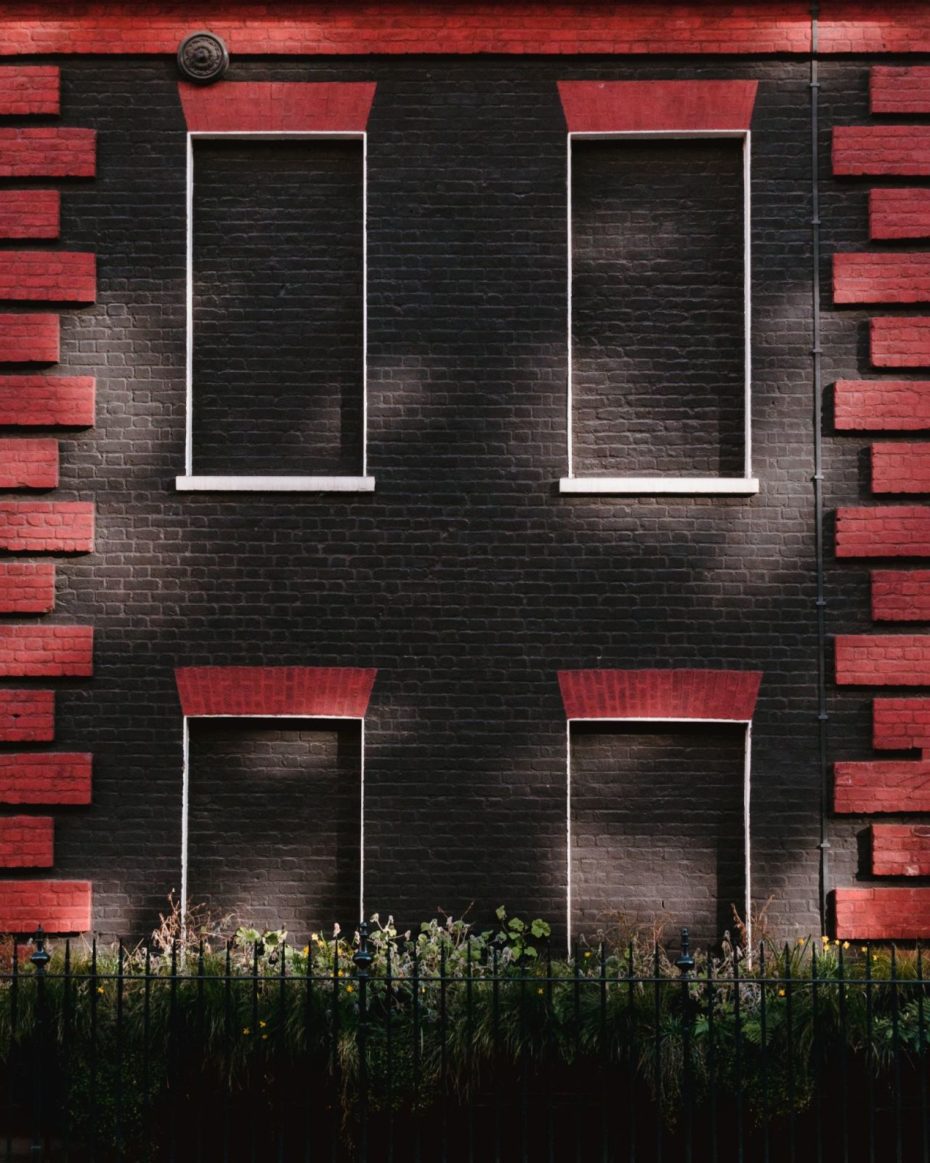
England wasn’t the only country to have a “window tax” – it was a significant social, cultural, and architectural force in England, France, and Ireland during the 18th and 19th centuries. People refused to disclose how much money they made, considering it an invasion of privacy – so you would be charged based on how many windows your house had. In retaliation, people bricked up their windows, which you can still see today.
DAYLIGHT ROBBERY documents the bricked up windows of London, originating from the Georgian-era Window Tax. The works examine the role that light and air play for our wellbeing in the spaces we inhabit, something more important than ever after the year we’ve all experienced.
Found via This isn’t Happiness.

